On LUVI, Suno v6, v6 mini and v6 wild take the same eleven settings and cost the same 264 credits for two takes. The only thing you choose is the engine: v6 for polish, v6 mini for fast drafts, v6 wild for less predictable ideas.
The closest Higgsfield alternatives are other multi-model platforms: Krea, Magnific (formerly Freepik AI), OpenArt, Pollo AI and LUVI Creator. All five list Veo 3.1 and Seedance 2.5. They differ on Kling 4.0, models tied to a plan, prices shown before a run and how they work with Claude or ChatGPT.
Higgsfield, Krea, Magnific (formerly Freepik), OpenArt, Pollo AI and LUVI Creator all list Kling, Veo, Seedance and Nano Banana under one account. They differ in the exact versions (LUVI has no Kling 4.0), in whether a plan limits which models you can use, and in how each run is priced.
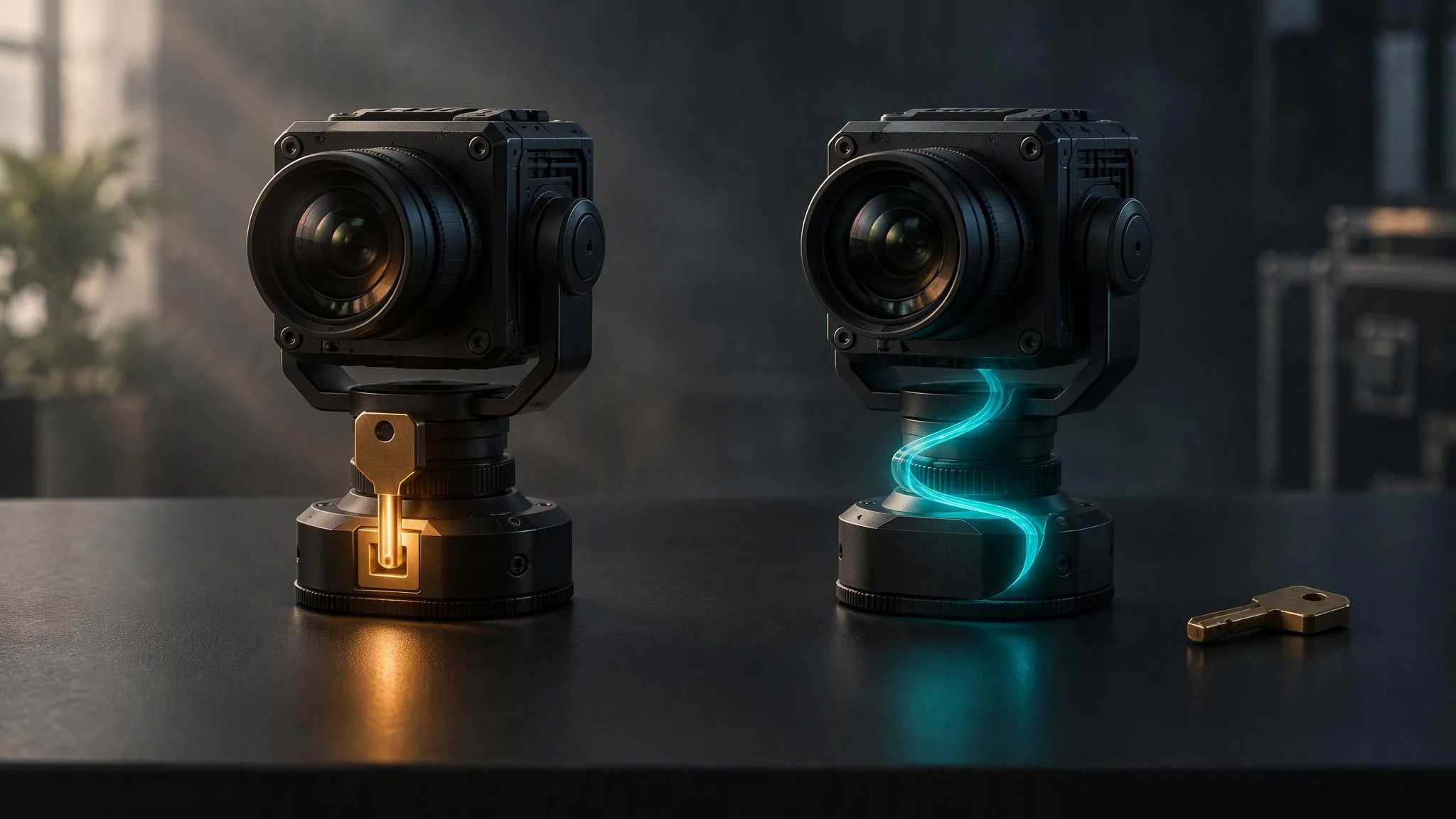
Eight voice models on LUVI, and most are billed per character with no rounding up: the same 311-character paragraph came to 10 credits on one and 63 on another. One is billed by the minute instead, and its estimate is a two-minute hold.
The Grok Imagine name covers three image models and a video line on LUVI, and they are not versions of each other. Two of them take opposite reference syntax, only one reaches 2k, and only the video line makes sound. From 40 credits an image.
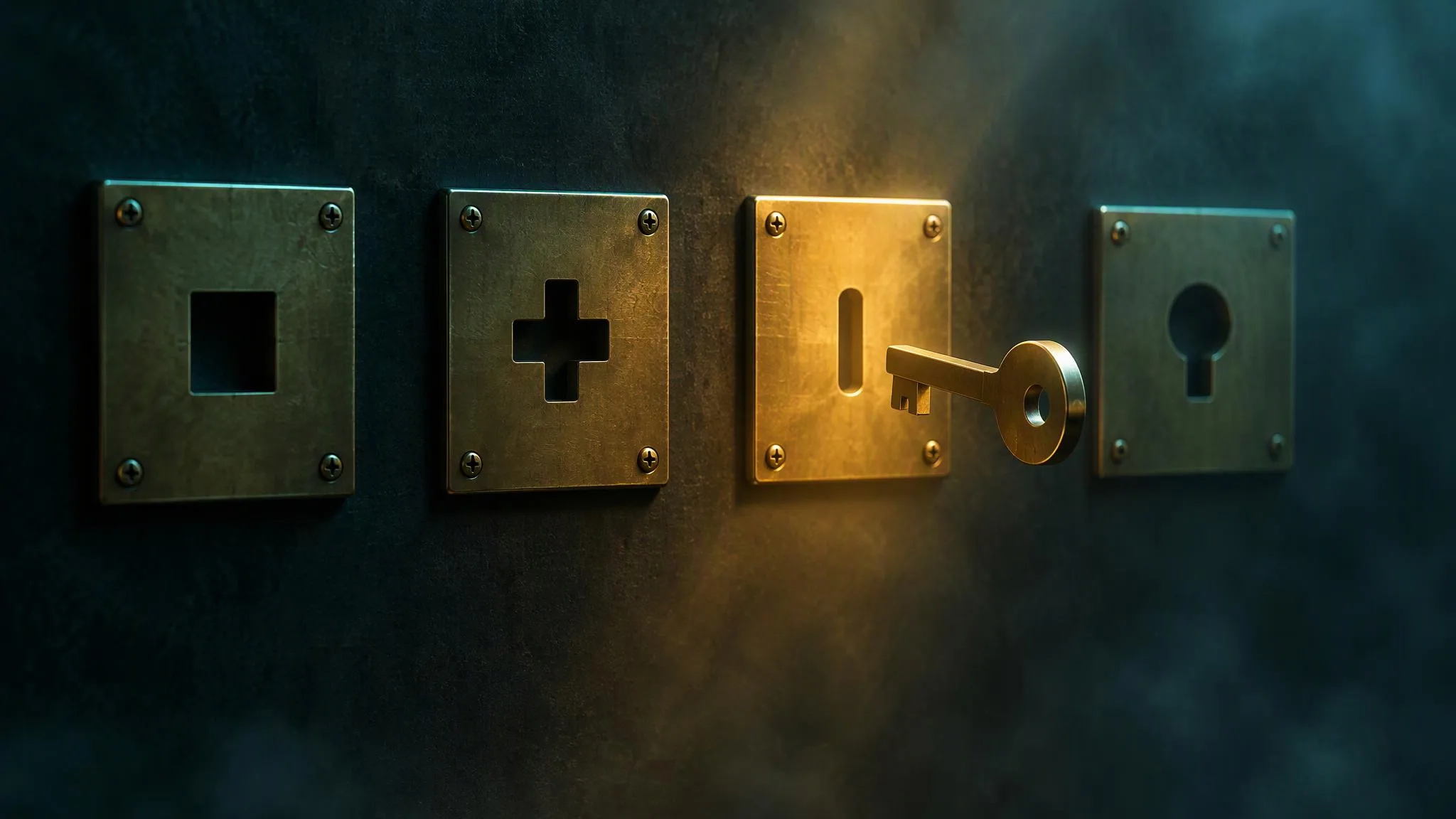
Hailuo takes its camera as a bracketed command from a closed list of fifteen. On MiniMax H3 those brackets are dead syntax and the camera must be prose. Copying a prompt from one to the other silently loses the move you asked for.
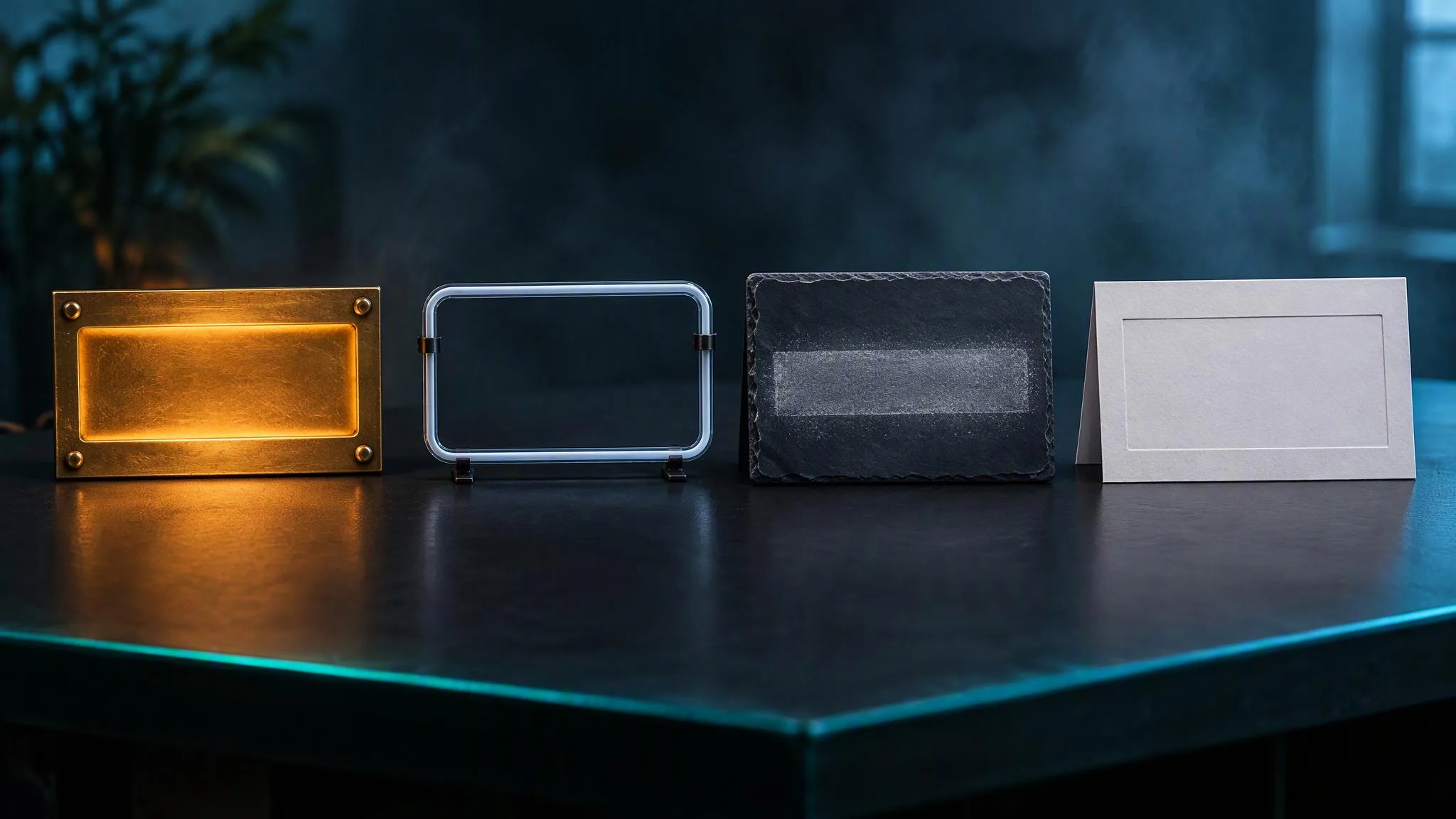
Four image families in the LUVI catalog can put real words in a picture, and each wants the request shaped differently: a surface, a hierarchy, a spatial constraint, or a position and a treatment. Prices run from 30 to 144 credits an image.
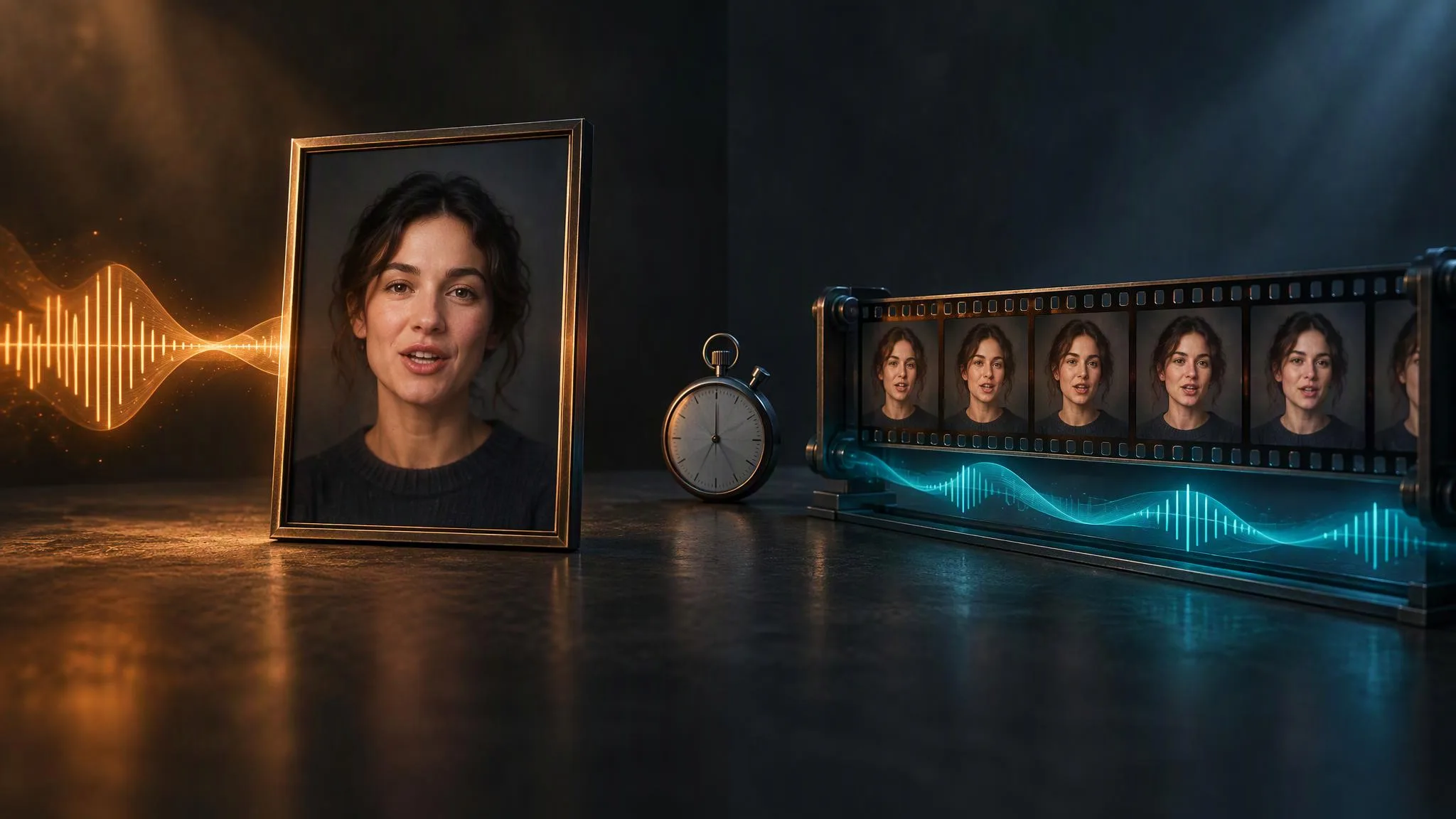
LUVI has six lip-sync families, and they do two different jobs: four animate a still portrait from an audio track, two re-drive the mouth in a video you already have. Which job you are doing also decides which clock you pay for—audio seconds or video seconds.
Four of the 224 models in LUVI's catalog expose a Negative Prompt field, and they are all Qwen Image. The field disappeared because the sampling method it depends on did. Here is what replaces it on each family, and the three places where writing "no X" still works.
Higgsfield, Krea, OpenArt and LUVI Creator all run hosted MCP connectors that let Claude or ChatGPT generate on your account. They differ in how you see the price before a run, how many models they expose, and whether the assistant gets each model's prompting guide.
Most video models on LUVI now render sound in the same pass as the picture, but they disagree about almost everything else: whether the switch is on, whether it costs more, and how you write the sound. Here is the audio switch and the audio syntax for each family, checked against their schemas.
All three generate picture and sound in one pass, and all three read a prompt differently: H3 wants a fielded document, Omni wants a caption with a continuity clause, Wan wants an additive formula. Prices, limits and the one rule that breaks each of them.