LUVI Creator is a web platform for generating video, images, audio and 3D with 223 AI models from 30 families, in one account paid in credits. It speeds work up with parallel runs, reusable references and workflows, and protects quality with prompting guides for 18 model families.
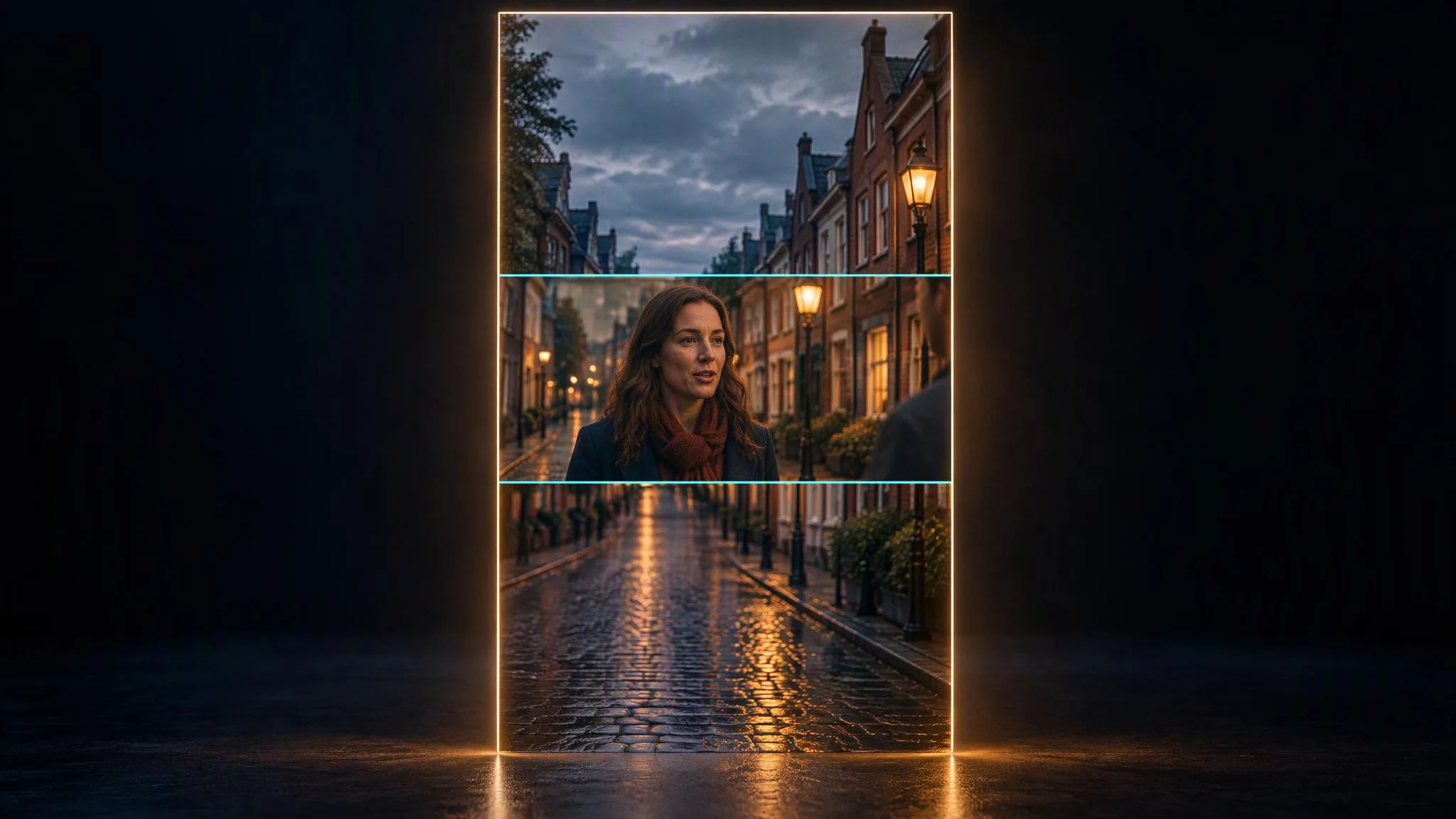
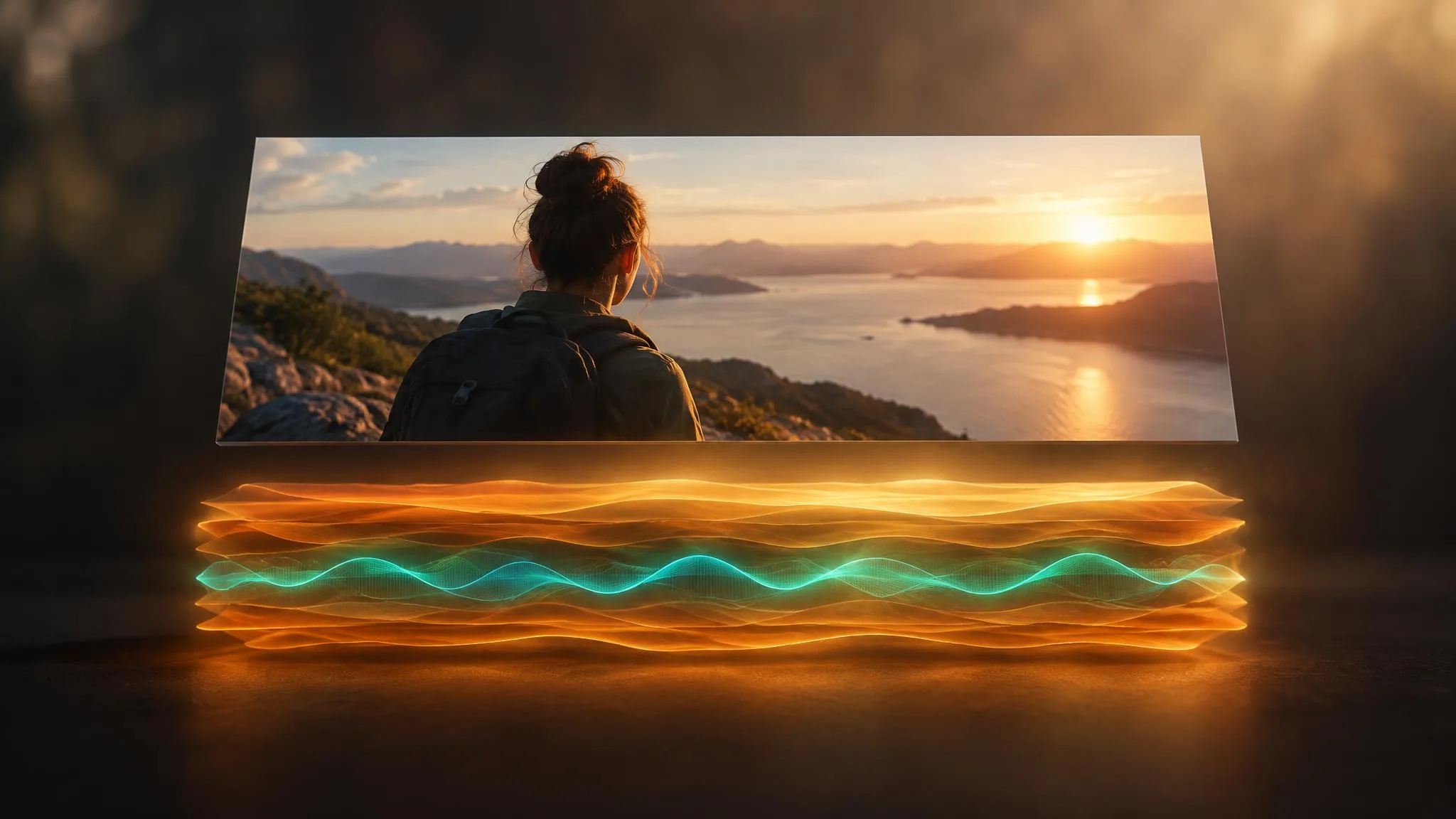
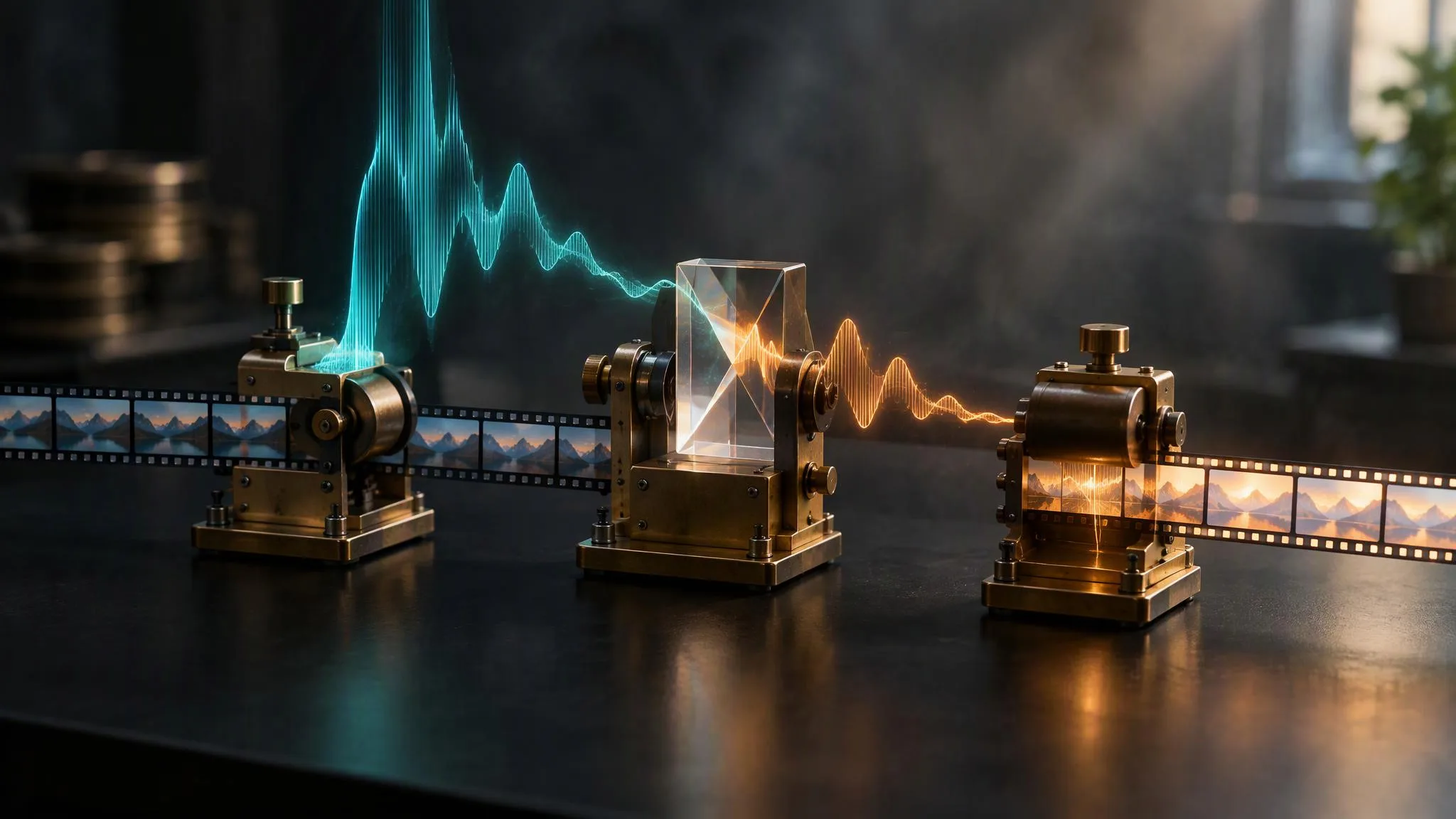
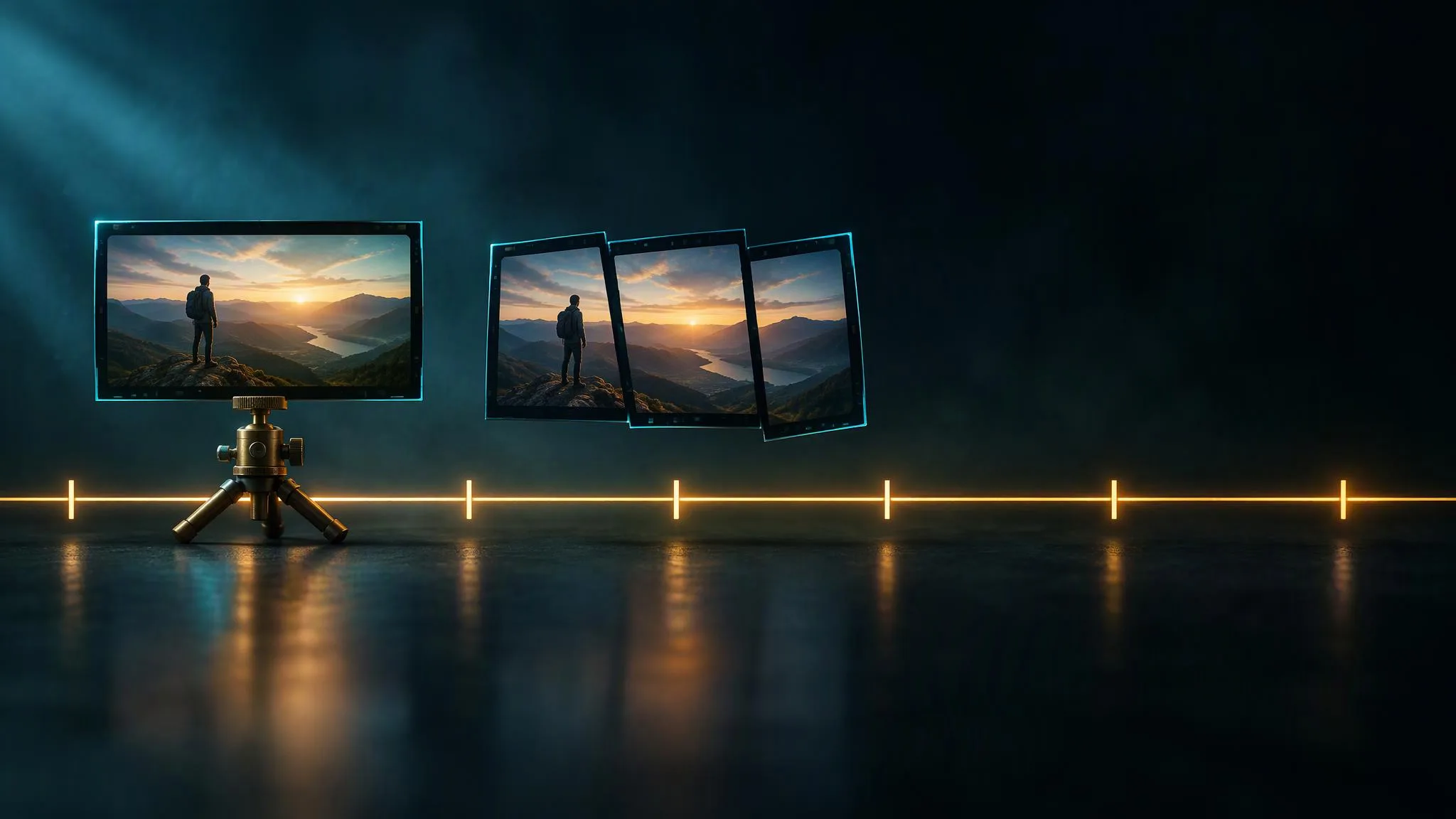
Luma Ray 3.2 Reframe keeps your whole 16:9 frame and generates the missing picture above and below it for 9:16. On LUVI it costs 264 credits per second of source at 720p. Keep each clip to 10 seconds and stay at 720p for vertical, where Luma doesn't offer 1080p yet.
Luma Uni 1 makes and edits images from plain descriptions: say what you want, never what you don't, and name the light. On LUVI it costs 89 credits an image, 96 for an edit; Uni 1 Max costs 220 and 227. Luma suggests 80 to 250 words for a new image and 30 to 100 for an edit.
On LUVI's workflow canvas, a Pose node adds one of 740 body descriptions, a Shot node one of 600 still compositions and a Style node one of 1,060 Prompt Lab cues to whatever text flows through it. The three nodes are free; you pay only for the generator they feed.
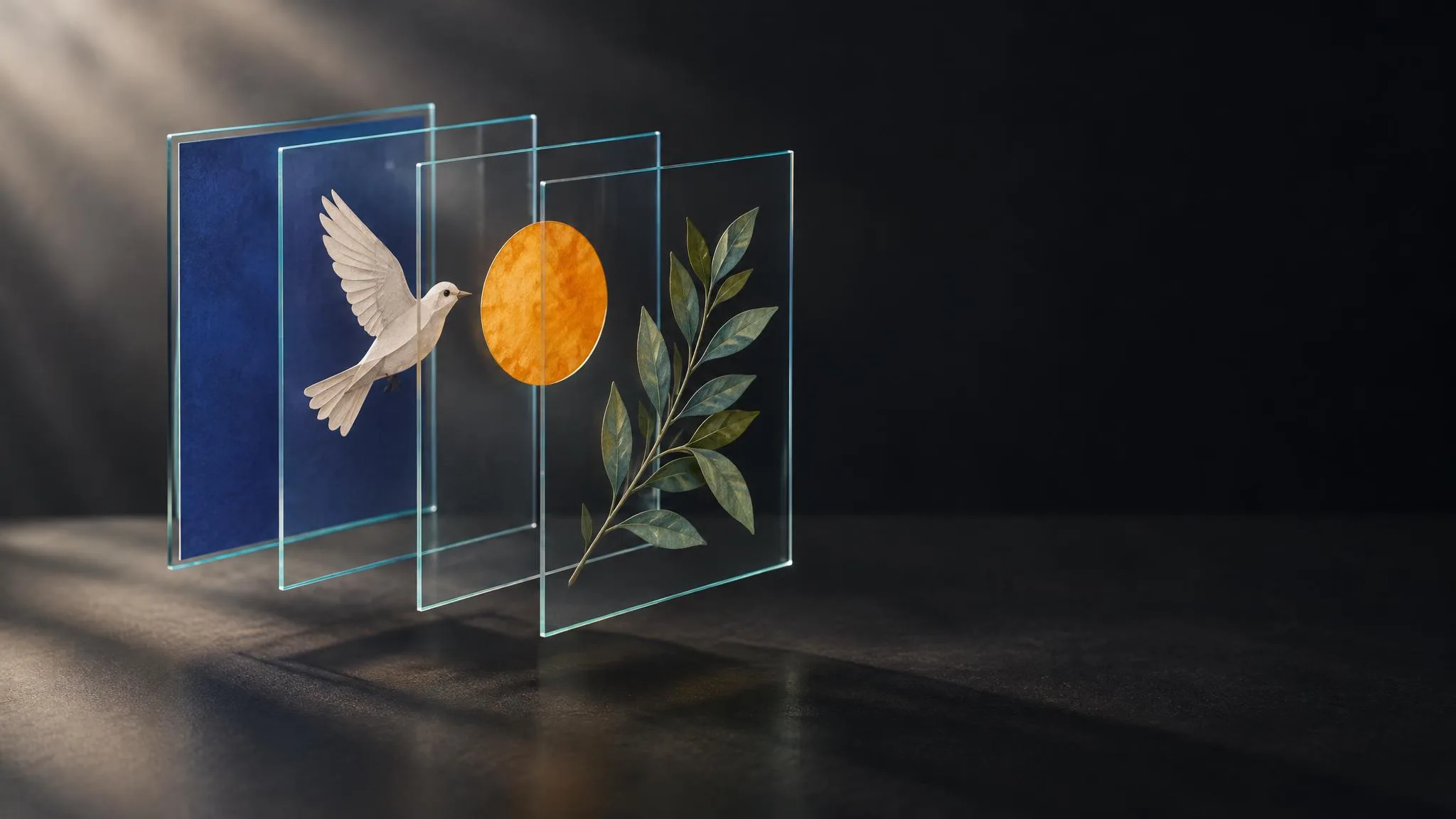
Seedream 5.0 Pro and Flash turn one image into a base image plus up to 16 transparent PNG layers. Leave the prompt empty to separate every main element, or name the ones you want, even by box coordinates. The estimate shows up to 612 credits on Flash; the charge follows the layers returned.
Write the words with MiniMax Lyrics Generation (20 credits), then turn them into a song with MiniMax Music 3.0 (300 credits, one track up to five minutes) or Suno v6 in custom mode (264 credits for two takes). The lyric sheet's section tags carry straight over.
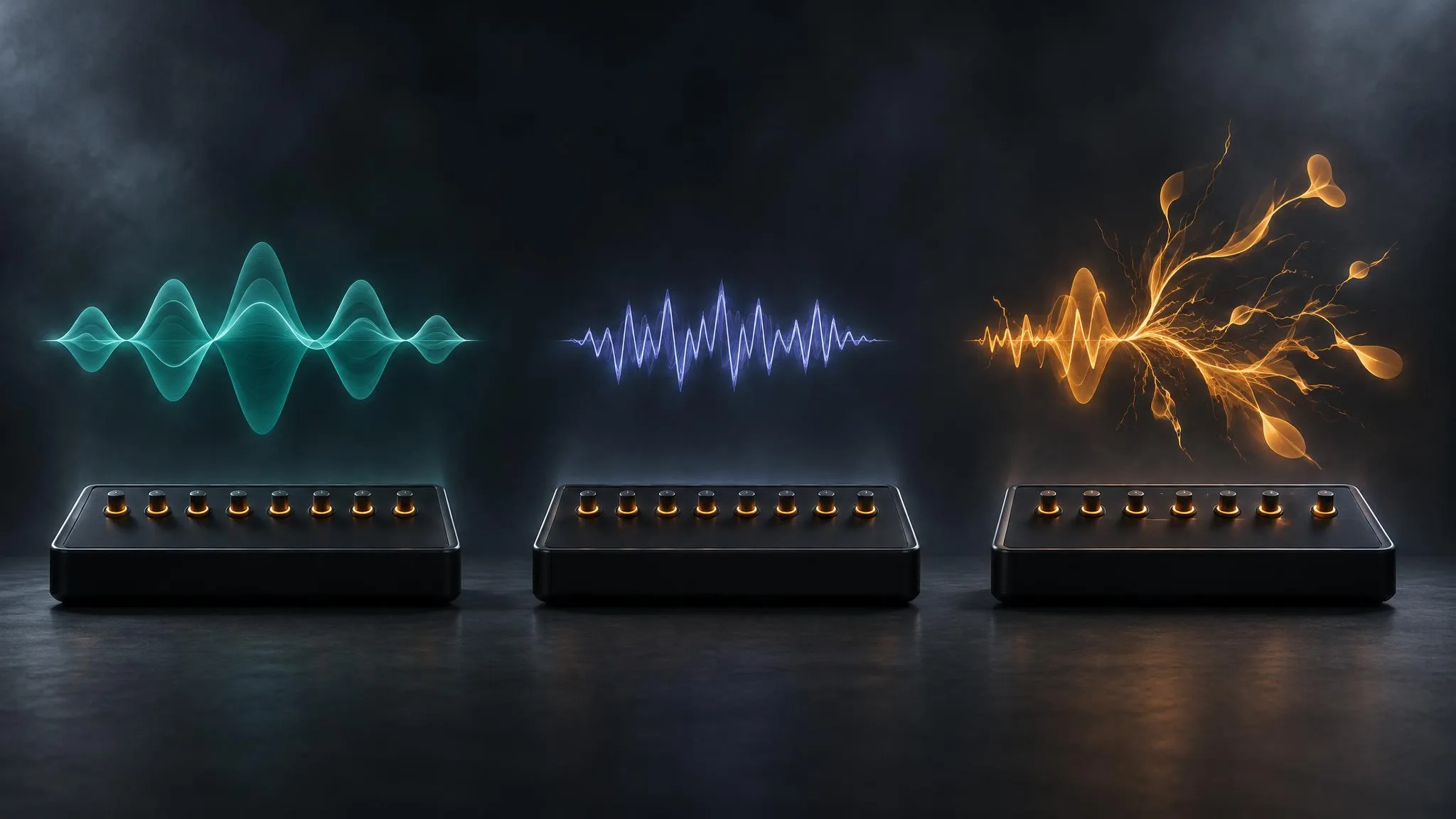
On LUVI, Suno v6, v6 mini and v6 wild take the same eleven settings and cost the same 264 credits for two takes. The only thing you choose is the engine: v6 for polish, v6 mini for fast drafts, v6 wild for less predictable ideas.
From September 25 to October 17, 2026, LUVI added 22 models in eight families: Luma Ray 3.2 and Uni 1, HI3D, Seedream 5.0 layer splitting, Nano Banana 2.1, Suno v6, MiniMax Music 3.0 and MiniMax Lyrics. Prices start at 20 credits for a lyric sheet.
Nano Banana 2.1 reads plain prose and nothing else: describe what should be in the frame, never what shouldn't, and set size and shape in the controls. On LUVI it starts at 80 credits for text-to-image, 83 for an edit and 400 for its video-to-still mode, all at 1k.
A workflow graph is checked before any credit moves: an unknown port, an audio slot fed a video, an unfilled required input or a cycle is an error, and a graph with errors cannot run. That is the real difference between the canvas and generating one step at a time.
The closest Higgsfield alternatives are other multi-model platforms: Krea, Magnific (formerly Freepik AI), OpenArt, Pollo AI and LUVI Creator. All five list Veo 3.1 and Seedance 2.5. They differ on Kling 4.0, models tied to a plan, prices shown before a run and how they work with Claude or ChatGPT.
Yes, if your ChatGPT plan lets you add a custom MCP server: add LUVI under Plugins, sign in to your LUVI account, and ChatGPT can quote and run Veo 3.1, Kling, Seedance 2.5 and Nano Banana on your LUVI credits. Name LUVI and the model in the message, and ask for the quote first.
Higgsfield, Krea, Magnific (formerly Freepik), OpenArt, Pollo AI and LUVI Creator all list Kling, Veo, Seedance and Nano Banana under one account. They differ in the exact versions (LUVI has no Kling 4.0), in whether a plan limits which models you can use, and in how each run is priced.
AI image and video sites come in three kinds: a lab's own app (Midjourney, Google Flow, Kling, Runway), a design suite with AI built in (Canva, Adobe Firefly), and a multi-model platform (Krea, Higgsfield, OpenArt, LUVI Creator). Pick the kind by your job, then the model by the shot.
Suno v6 returns two takes for 264 credits; MiniMax Music 2.6 and 3.0 return one track for 300, with WAV output. For a bed under a clip, the setting that matters is Instrumental only: MiniMax switches it on when your prompt says instrumental, Suno v6 does not.
Eight voice models on LUVI, and most are billed per character with no rounding up: the same 311-character paragraph came to 10 credits on one and 63 on another. One is billed by the minute instead, and its estimate is a two-minute hold.
Upscaling a clip on LUVI is billed per second of source video: 36 credits a second to 1080p, 48 to 2K. That makes rendering at the cheapest resolution and upscaling afterwards markedly cheaper than rendering large—though it adds pixels, not detail.
When an assistant can delete a folder for you, a confirm dialog is no longer available as a safety net. LUVI's answer was to defer the delete by 24 hours instead — and to leave the folder's contents exactly where they were, so restoring it is an undo rather than a cleanup job.
Four models on LUVI extend a clip you already have. On the same ten-second source, adding five seconds quoted 450 credits on one and 4,510 on another. The craft rule is the same on all four: write only what happens next.
The Grok Imagine name covers three image models and a video line on LUVI, and they are not versions of each other. Two of them take opposite reference syntax, only one reaches 2k, and only the video line makes sound. From 40 credits an image.
Image 2.0 treats the prompt as a specification and builds a typographic hierarchy from it, so naming the artefact and the levels of type does more than any pile of adjectives. It is also a separate family from the older Grok image models, with two rules inverted. From 80 credits an image.
Every one of the 45 video models on LUVI that offers a choice of frame shape offers 9:16. The other 94 set it somewhere else — in a parameter, in a pixel size, or from your reference image. Clip length runs from 5 seconds to 30 in a single call.
Transcribe, rewrite, voice, re-sync the mouth. Every step is a separate model, and the last one decides the bill: two lip-sync models quoted 130 and 2,200 credits for the same ten-second clip.
Qwen-Image is built to render text, and the way to use that is to quote every visible string and give it a position and a treatment. Negative words in the prompt body are not read; some models carry a separate field for them. A single image quoted 105 credits on Qwen Image Max.
Hailuo takes its camera as a bracketed command from a closed list of fifteen. On MiniMax H3 those brackets are dead syntax and the camera must be prose. Copying a prompt from one to the other silently loses the move you asked for.
On GPT Image 2.5, prose and reference images are the whole control surface: no seed, no negative-prompt field, no style dial. The quality tier moves the price far more than the pixels do—a 4K image at medium quality quoted less than a 1024-pixel one at high.
Of LUVI's 224 public models, 99 take no reference image at all. The rest run from a single frame up to thirty on one model, and 24 image-to-video models carry an optional end-frame slot most people never fill.
On Vidu Q3 the style control is documented as ineffective, so the look and the motion energy live in the sentence instead. Its aspect ratio also defaults to 4:3, not 16:9. A five-second clip quoted 510 credits on Q3-Turbo and 1,063 on Q3-Pro at 720p.
Most video models on LUVI have no seed, so two identical submissions come back as two different people. Identity lives in the reference slots instead—and every family names them differently. Here is how many references each one takes and how to chain shot to shot.
Grok Imagine Video renders picture and sound in the same pass and has no switch to turn the audio off, so a prompt that never names its sound gets whatever the model invents. Negation is ignored here too. Eight seconds at 720p quoted 1,120 credits.
Four image families in the LUVI catalog can put real words in a picture, and each wants the request shaped differently: a surface, a hierarchy, a spatial constraint, or a position and a treatment. Prices run from 30 to 144 credits an image.
A PixVerse prompt is three sentences: subject and one action, then one camera move with named light and lens, then constraints written as things that stay intact. Four common words work against you. Five seconds at 720p quoted 600 credits.
The LUVI connector gives Claude or ChatGPT 35 tools against your own account: it can read the model catalog, fetch a family's prompting manual, quote a price, generate, and report what the generation really cost. Here is what each group is for, and what it deliberately cannot do.
Hailuo takes its camera direction as a bracketed command from a closed list of fifteen, placed inline where the move happens—[Push in], [Tracking shot], [Static shot]. It is also picture only, so every word you spend on sound is wasted. Six seconds start at 380 credits.
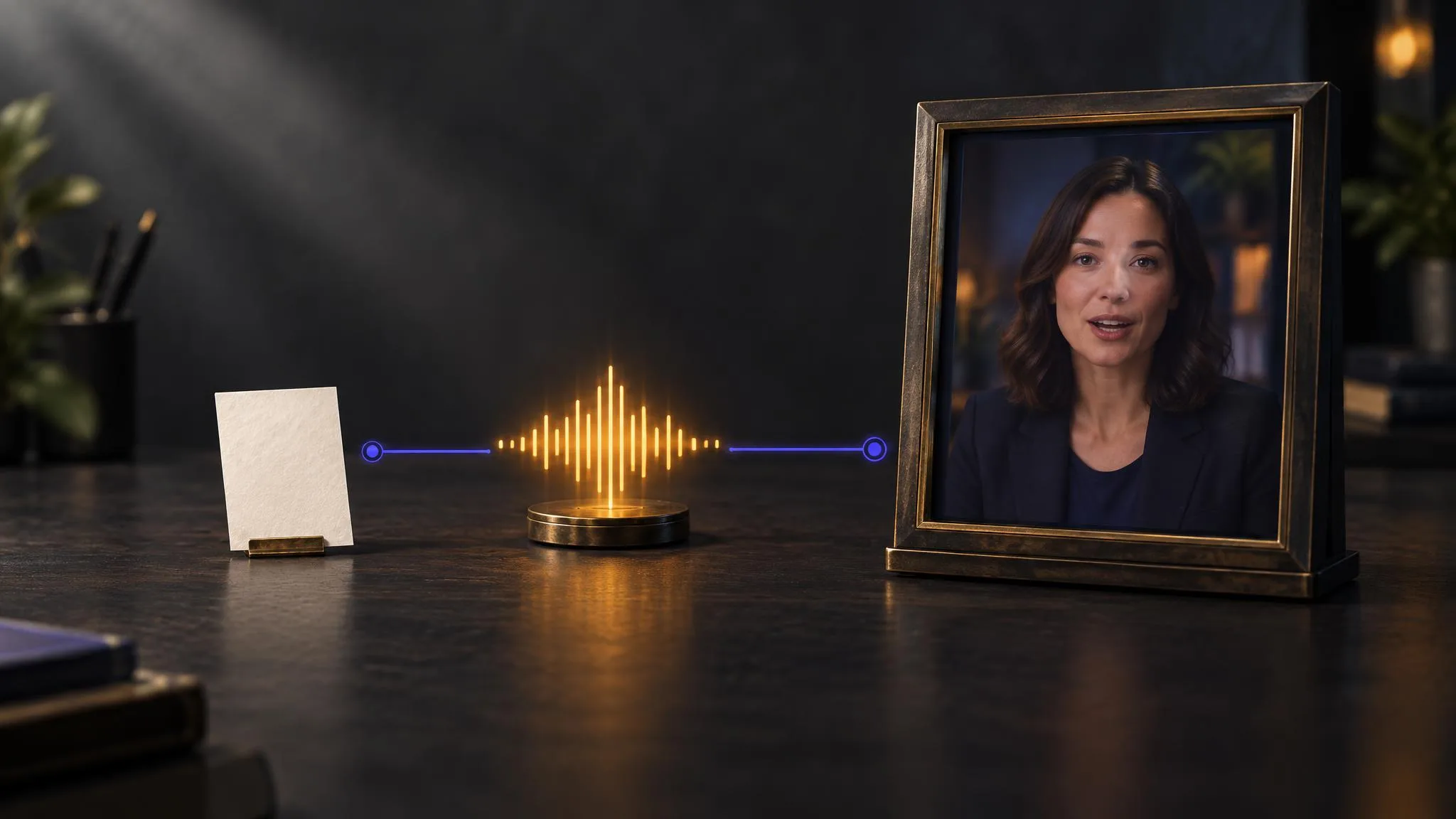
Two generations turn a script into a presenter: a voice model reads the text, then a lip-sync model puts that audio on a face. The voice step is cheap enough to redo a dozen times; the face step is not. Here is the order that saves the credits, with measured numbers.
Wan 3.0 reads an additive formula—entity, scene, motion, then the look, then the sound—and it renders audio in the same pass. Leave the camera unnamed and it will cut inside a clip you wanted as one take. Five seconds runs from 400 credits at 480p.
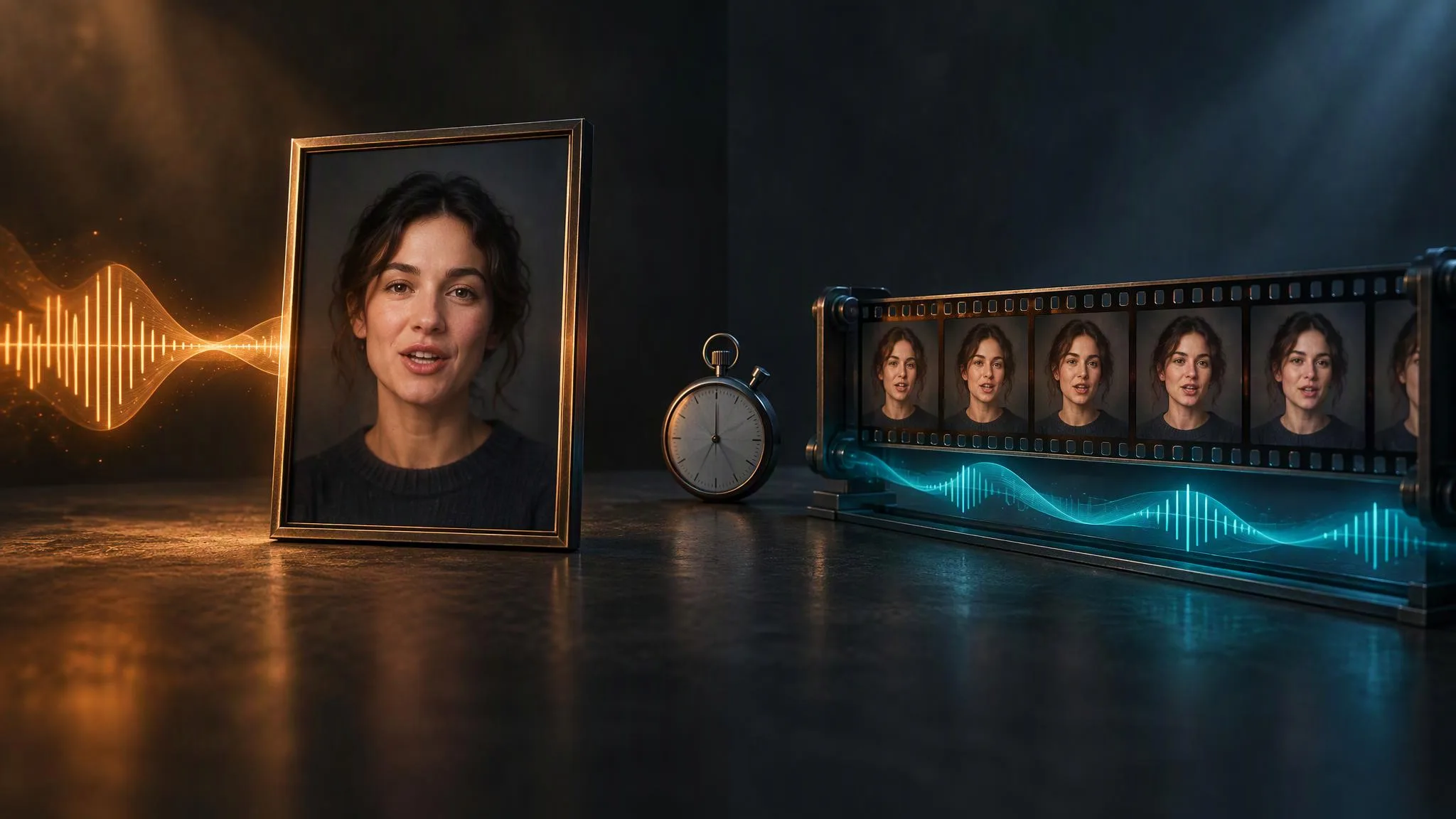
LUVI has six lip-sync families, and they do two different jobs: four animate a still portrait from an audio track, two re-drive the mouth in a video you already have. Which job you are doing also decides which clock you pay for—audio seconds or video seconds.
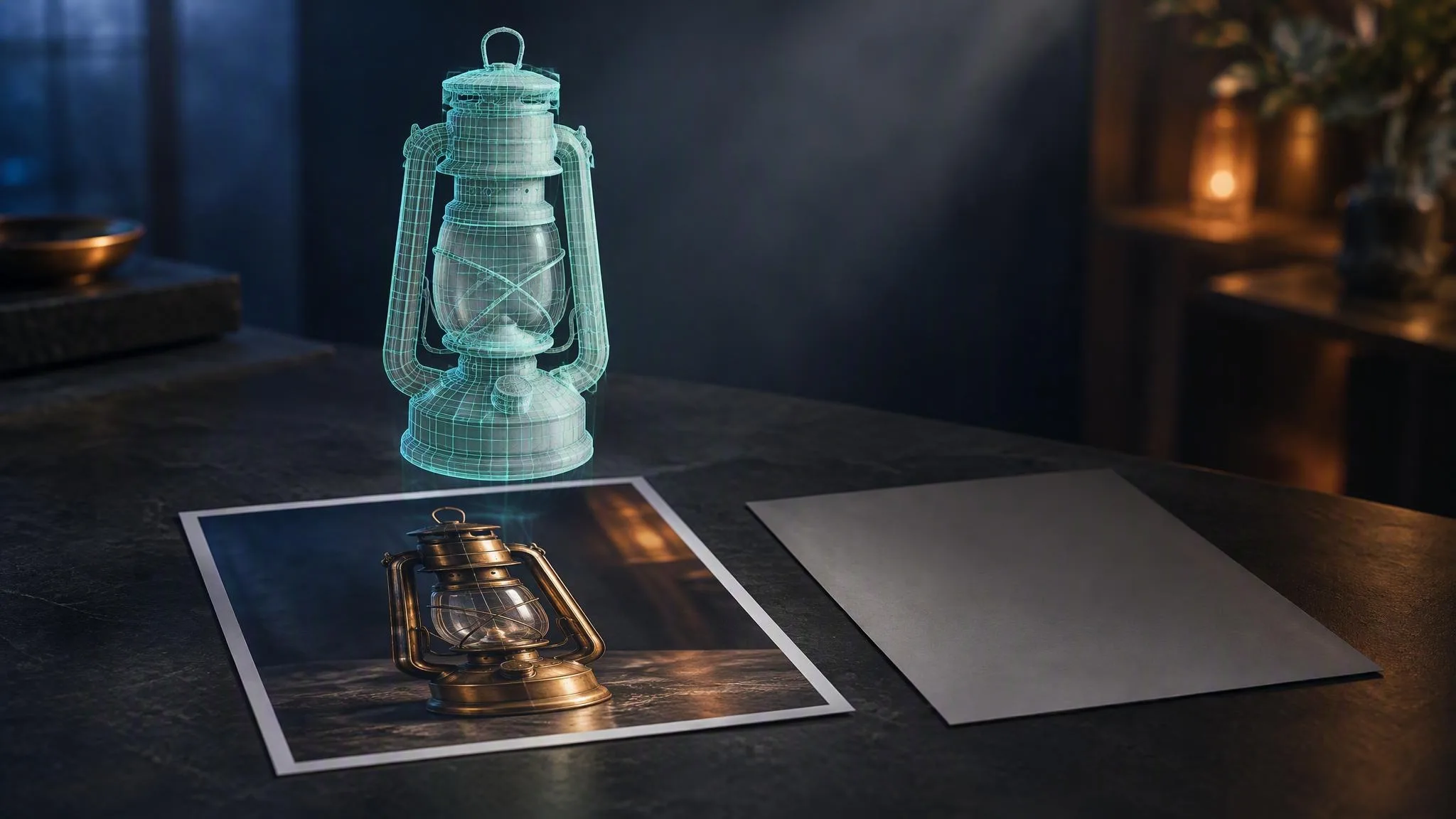
On Hunyuan3D's image-to-3D modes the text field is not read at all—the model's own contract says it accepts no prompt. Every bit of control you have is in how you prepare the input image. Meshes start at 600 credits on Rapid and 1,000 on Pro.
The feather button next to the prompt runs a per-family manual over what you wrote, for free. It has two layers: eight deterministic checks that only fire on things the manual can prove, and a dialect rewrite for the judgment. Here is what each layer can and cannot do.
Seedream 5.0 Pro has no aspect ratio parameter. The shape lives in size, written as WIDTH*HEIGHT with an asterisk, and a ratio typed into the caption is ignored. Here are the thirteen legal sizes, the thinking switch, and the caption it rewards. From 144 credits per image.
Four of the 224 models in LUVI's catalog expose a Negative Prompt field, and they are all Qwen Image. The field disappeared because the sampling method it depends on did. Here is what replaces it on each family, and the three places where writing "no X" still works.
A multi-model AI platform runs video, image, audio and 3D models from many labs in one workspace, on one balance. Choose one by the exact model versions it carries, whether it prices each run before it starts, and how it helps you prompt each model.
Higgsfield, Krea, OpenArt and LUVI Creator all run hosted MCP connectors that let Claude or ChatGPT generate on your account. They differ in how you see the price before a run, how many models they expose, and whether the assistant gets each model's prompting guide.
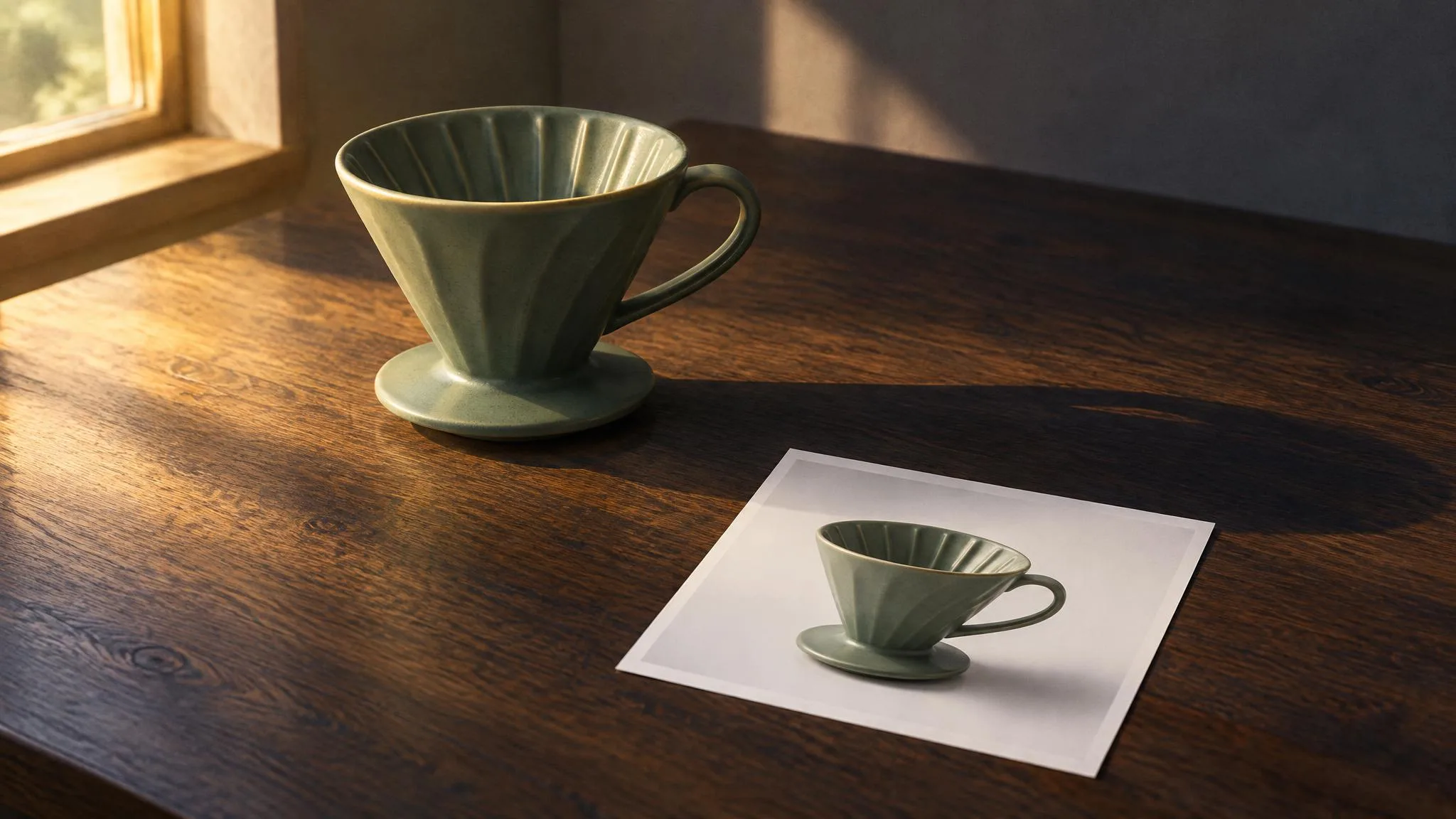
Nano Banana Pro re-renders the entire image on every edit, so an instruction without a preservation clause changes things you never asked about. Say what changes, say what stays, and point at references as Image 1. Edits start at 175 credits at 1k.
Most video models on LUVI now render sound in the same pass as the picture, but they disagree about almost everything else: whether the switch is on, whether it costs more, and how you write the sound. Here is the audio switch and the audio syntax for each family, checked against their schemas.
HappyHorse generates picture and sound together, but it does not infer sound from what it sees: a prompt with no audio line returns a near-silent video. It is also one of the few video models that honors timecoded shots, which is the opposite of the Seedance 2.5 rule.
FLUX 3 Video renders picture and sound in one pass, so the audio is written into the prompt rather than switched on. Quote every line and give it a visible speaker, or it can appear as text burned into the frame. On LUVI, clips start at 1,870 credits for five seconds at 720p.
Kling 3 reads a shot as subject, movement and scene first, then camera, light and atmosphere: 60 to 100 words, one camera move, one action. The whole prompt is hard-capped at 2,500 characters and an overrun fails the submission before anything renders.
Seedance 2.5 reads integer-second timestamps, typed audio channels and one camera move per shot. Most bad results come from prompting it like Seedance 2.0. Here is the structure that works, taken from the guide we run inside LUVI.
Write Veo 3.1 prompts camera first: cinematography, subject, action, context, style. Put dialogue, effects and ambience into the shot, and switch on Audio Generation, which is off by default on LUVI. Veo 3.1 Lite has no audio. Clips start at 800 credits for eight seconds at 720p.
All three generate picture and sound in one pass, and all three read a prompt differently: H3 wants a fielded document, Omni wants a caption with a continuity clause, Wan wants an additive formula. Prices, limits and the one rule that breaks each of them.
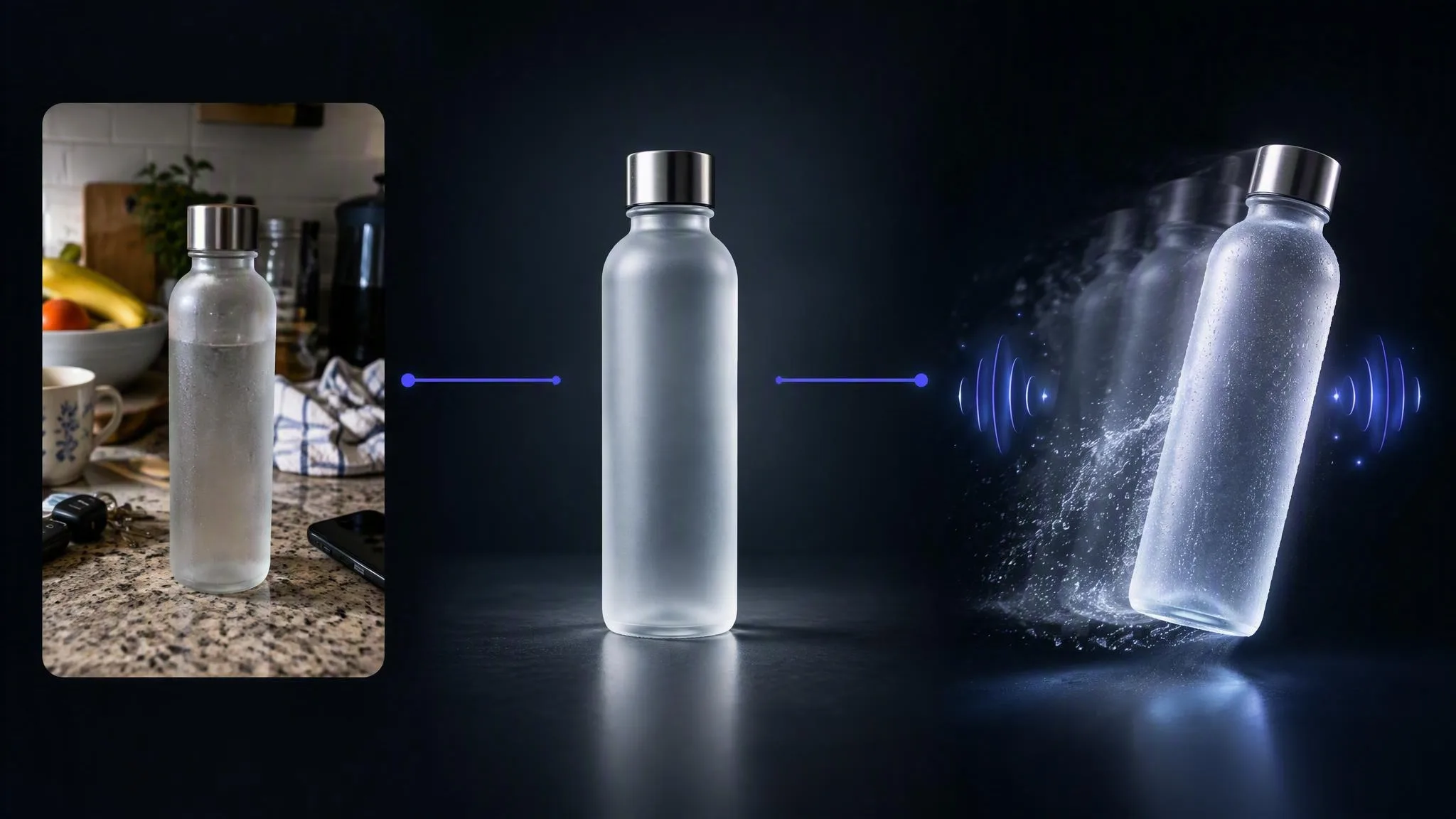
A phone photo of a bottle becomes a clean studio still with Nano Banana Pro, then a five-second clip with motion and sound on Seedance 2.5 — wired as one workflow, estimated before it runs, from about 3,200 credits.
LUVI shows a credit estimate before every generation and charges you when the result arrives. Since September the charge follows what the job really used — capped at the estimate, never above it. What changed, what we measured, and why one model dropped from 15 credits to 7.
iPhone HEIC photos used to fail in Chrome, WebP confused half the models, and one library's browser decoder took 27 seconds on a 12-megapixel shot. So we moved the conversion to the server and made one rule: every image is stored as JPEG or PNG, colour profile and orientation intact.